Jobzxir Blog
Career guides and job market info for the UK and USA. Simple, honest, and up to date for 2026.
How to Get a Work Visa in the UK or USA (2026 Guide)
If you want to work in the UK or the USA, you almost always need a job offer first. You can’t just show up and apply for a visa on your own — an employer has to sponsor you. This guide walks through both countries so you know exactly what to expect.
In the UK, the main route is called the Skilled Worker visa. First, you need a job offer from a UK company that is allowed to sponsor workers — this is called having a “sponsor licence.” Once you accept the job, the company gives you a document called a Certificate of Sponsorship. This document proves you have a real job waiting for you. To qualify, your job usually needs to pay at least around £41,700 a year, though some jobs on the shortage list can qualify for less. You also need to show you can speak English at a certain level, and depending on your job, you may need a criminal record check or a health test. Once you have all this ready, you apply online, book an appointment to give your fingerprints and photo, and then wait for a decision. If everything goes well, you can live and work in the UK, and after five years, you may be able to apply to stay permanently.

In the USA, the main route for skilled workers is the H-1B visa. This one works a bit differently because there’s a yearly limit on how many people can get it, so a lot of people apply but not everyone gets picked. First, your employer needs to prove to the US government that they’re paying you a fair wage for the area. Then your employer enters you into a lottery system every spring. If you’re picked, your employer files paperwork with immigration officials to formally request your visa. This process can take a few months, and if you’re outside the US, you’ll usually need to attend an interview at a US embassy. Once approved, you can normally work in the US for three years, and this can often be extended to six years total.
Both processes have one thing in common: the details change often, so it’s smart to always check the official government websites before applying. The article includes direct links to the UK government’s site and the US immigration website (USCIS), a comparison table showing the differences side by side, and a list of common mistakes people make — like sending in different information across their documents, which is one of the biggest reasons visa applications get rejected.
Registered Nurse Jobs in the USA
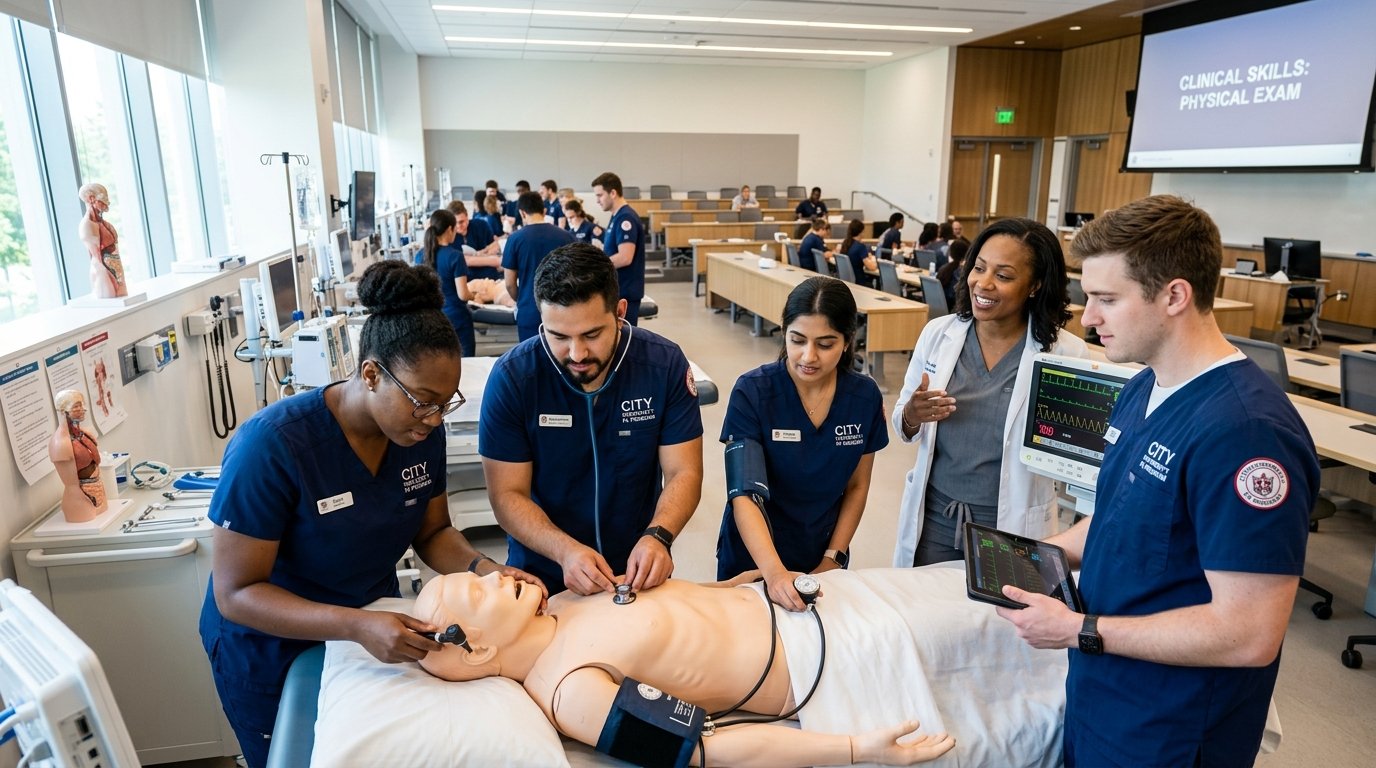
Nursing is one of the most stable career choices you can make in the USA right now. Hospitals need nurses badly, and that need isn’t going away — the population is getting older, more people need care, and a lot of current nurses are close to retirement age.
To become a registered nurse, you have two main study options. You can do a two-year nursing degree at a community college, or a four-year nursing degree at a university. Either way, once you finish school, you have to pass a national licensing exam called the NCLEX-RN. After that, you’re officially allowed to work as a nurse. Many hospitals prefer nurses with the four-year degree, and those nurses usually earn a bit more, but the two-year path is still a completely valid way to start working sooner.

Pay depends a lot on where you live. On average nationally, nurses earn somewhere around $90,000 a year, but that number can be much lower in some states and much higher in others — nurses in California, for example, often earn well over $140,000. Nurses who specialize in certain areas, like intensive care or mental health, can also earn more, and nurses who take short-term travel contracts at different hospitals often get paid extra for the flexibility.
If you’re already trained as a nurse in another country and want to work in the US, there’s a path for you too — but it usually involves getting your qualifications checked, passing the same licensing exam, proving you speak English well, and having a US employer sponsor your visa.
The full article covers exactly what the job involves day to day, a full breakdown of what affects your pay, where to actually search for nursing jobs (including hospital career pages and official government job boards), and tips for standing out when you apply, like getting extra certifications in a specialty area.
Software Engineer Jobs in the USA
A lot of people wonder if software engineering is still a good career now that AI can write code. The honest answer is: yes, but companies are more selective than they used to be, and the skills expected have shifted.
A software engineer’s main job is building and fixing the programs that run on phones, websites, and other devices. Some engineers focus on what a user sees and clicks on, others work behind the scenes making sure everything runs smoothly, and some specialize in newer areas like artificial intelligence.
There’s more than one way to become a software engineer. The traditional path is a computer science degree, which most working engineers still have. But it’s also common now to learn through a short coding bootcamp, or even teach yourself using online resources and personal projects. No matter which path you take, almost every company will test you with a technical interview, so practicing how to solve coding problems matters just as much as what’s on your resume.

Pay varies a lot depending on the company and the type of pay being measured. Looking at all employers across the country, the typical salary is around $130,000 a year. But at big tech companies specifically, total pay (including bonuses and stock) is often reported much higher, sometimes around $190,000. New graduates usually start somewhere between $70,000 and $100,000 in base salary, though total packages at top companies can be higher. Engineers who specialize in AI tend to earn noticeably more than the average right now.
The good news is that the US government still expects strong, faster-than-average growth for this field over the next several years. The article goes into more detail on what’s actually changed in hiring since the AI boom, where to search for jobs, and practical tips like building a portfolio of real projects instead of relying only on your resume.
Truck Driver Jobs in the USA
Truck driving is one of the few well-paying careers in America that doesn’t require a college degree — just a Commercial Driver’s License, known as a CDL. You can usually get this license after a few weeks of training.
There are different types of trucking jobs. Long-haul drivers travel across many states and sleep in their truck for days at a time. Local drivers stay in one city or area and go home every night. Regional drivers are somewhere in between. Some drivers also get extra certifications to haul special loads, like hazardous materials or oversized freight, which usually pays more.

On average, truck drivers earn around $57,000 a year, but this can go much higher with experience. Drivers just starting out often make around $48,000 to $55,000 in their first year. Experienced drivers, especially those with a clean driving record and extra certifications, can make $80,000 to $100,000 or more. Most long-distance driving jobs pay by the mile rather than a flat salary, so how much you drive each week directly affects your paycheck.
This field is in real demand. The trucking industry has a well-known shortage of drivers, and thousands of driving jobs open up every year as older drivers retire. Self-driving trucks are not yet a real threat to these jobs, so this remains one of the more secure career paths available without needing a university degree.
The article explains the full path to getting your CDL, realistic pay expectations, how to pick between long-haul and local driving based on your lifestyle, and where to search for jobs — including companies that will pay for your training if you agree to drive for them for a set period of time.
Cybersecurity Analyst Jobs in the USA
Every time you hear about a company getting hacked in the news, there’s a team of people whose job is to stop that from happening — and right now, there aren’t enough of them. That’s what makes cybersecurity one of the strongest career paths in America today.
A cybersecurity analyst’s job is to watch over a company’s computer systems, look for anything suspicious, investigate problems when they happen, and help fix weak spots before hackers can use them. Most people don’t start their career directly in this role — many begin in general IT support or network administration first, and move into security once they understand how computer systems normally work.
Certificates matter a lot in this field, more than in many other tech jobs. A common starting point is a certificate called Security+, which shows employers you understand the basics. From there, people often add more advanced certificates as they gain experience, and each one tends to come with a real pay increase.

Pay in this field is strong. Nationally, the typical salary is somewhere between $112,000 and $125,000 a year. People just starting out can expect somewhere around $62,000 to $85,000, and experienced analysts can earn well over $150,000. Jobs that require a government security clearance, especially around Washington, DC, often pay even more.
The US government expects this field to grow much faster than most other jobs over the next several years, since cyberattacks keep increasing and every industry now depends on computer systems. The article covers the full path into this career, realistic pay by experience level, which certificates are worth getting first, and where to look for open positions, including specialized job boards for cleared and government roles.
Job Market Guide 2026: UK & USA
If you’re job hunting right now, it helps to know where the actual demand is instead of applying randomly and hoping for the best. This guide breaks down which industries are hiring the most in both the UK and the USA in 2026.
In the UK, hiring has slowed down compared to a few years ago, so the market is more selective now. That said, some areas are still hiring steadily — healthcare and social care, technology and cybersecurity roles, logistics and warehouse work, and manufacturing jobs are all holding up well. Employers are mostly looking for people with digital skills, basic communication skills, and the ability to work well with others.

In the USA, the picture is similar but with a stronger focus on technology. Jobs related to artificial intelligence are growing faster than almost anything else, along with cybersecurity and healthcare roles. Practical jobs like nursing assistants, retail management, and administrative work also remain in steady demand. One theme comes up again and again for US job seekers: knowing how to use AI tools well is quickly becoming one of the most valuable skills you can have, even outside of tech jobs.
The guide also includes a simple side-by-side comparison of both countries, along with practical tips that apply no matter where you’re job hunting — like focusing your applications on industries that are actually growing, tailoring your resume for each job instead of sending the same one everywhere, and being open to contract or short-term roles as a way to get your foot in the door.
New guides are added regularly. Check back often for the latest job and visa information.