



Registered Nurse Jobs in the USA: A Complete 2026 Guide to Salary, Requirements, and How to Get Hired
Last updated: July 2026
If you’ve ever sat in a hospital waiting room, chances are the person who checked your vitals, explained your treatment plan, or held your hand through a scary moment was a registered nurse. It’s one of those jobs that never really leaves the “in demand” list — and in 2026, that’s truer than ever. Hospitals are stretched, an aging population needs more care, and nursing schools simply can’t graduate people fast enough to fill every open position.
If you’re considering this path — whether you’re fresh out of school, switching careers, or a nurse from another country hoping to work in the US — here’s an honest, detailed look at what the job actually involves, what it pays, and how to land one.
What Does a Registered Nurse Actually Do?
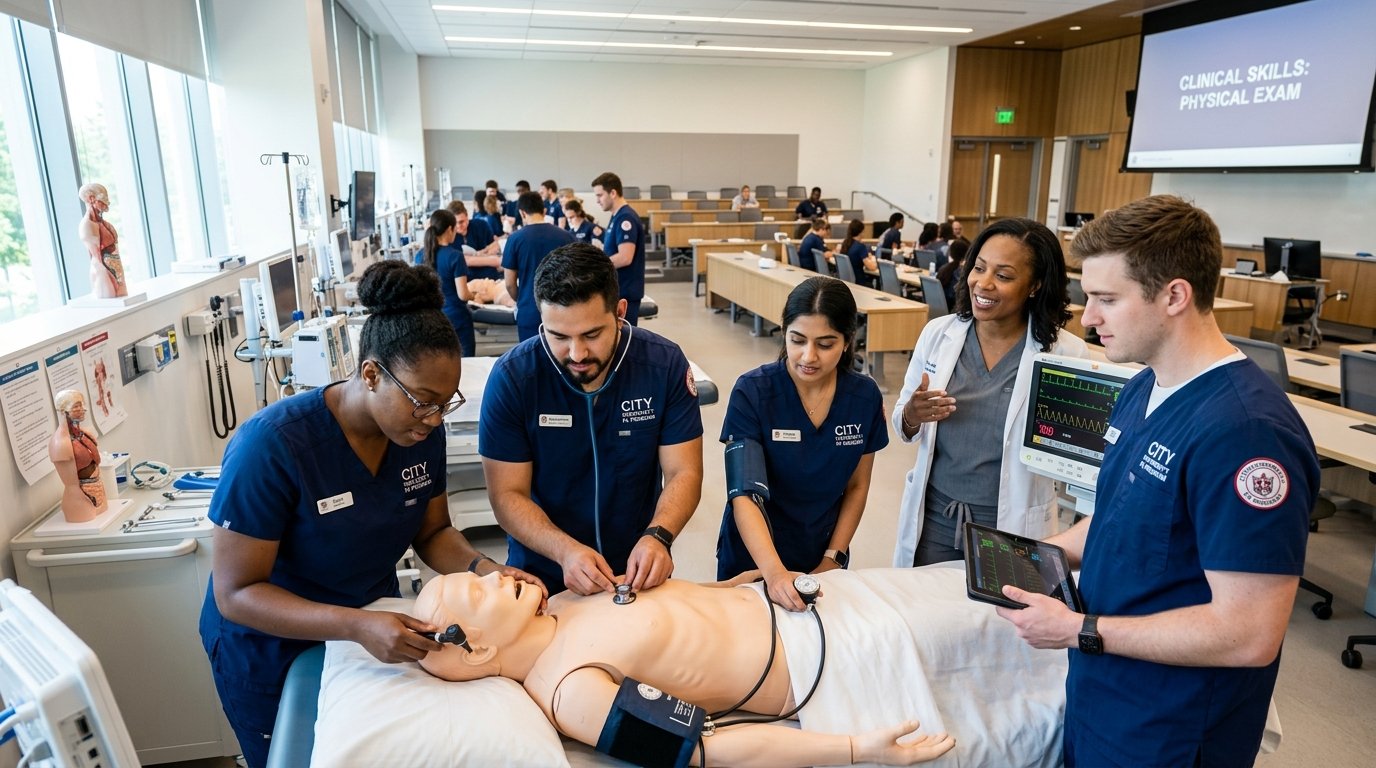
The title “registered nurse” covers a huge range of day-to-day realities. An RN working in a busy ER is doing something very different from an RN working in a school clinic or a long-term care facility. But broadly, the job includes:
- Assessing patients’ conditions and recording symptoms and medical histories
- Administering medications and treatments, and monitoring how patients respond
- Operating and monitoring medical equipment
- Collaborating with doctors and other healthcare staff to plan patient care
- Educating patients and families on managing illnesses or injuries after discharge
- Supervising licensed practical nurses, nursing assistants, and other support staff
Some RNs specialize — labor and delivery, oncology, ICU, psychiatric care, school nursing, and travel nursing (where you take short-term contracts at different hospitals, often for significantly higher pay) are all common paths once you have some experience under your belt.
What You Need to Become an RN
There are two main educational routes into nursing in the US:
- Associate Degree in Nursing (ADN) — typically a 2-year program at a community college.
- Bachelor of Science in Nursing (BSN) — a 4-year university degree.
Both routes qualify you to sit for the NCLEX-RN, the national licensing exam every registered nurse must pass. Many hospitals — especially larger, Magnet-recognized ones — now prefer or require a BSN, and nurses with a bachelor’s degree tend to earn several thousand dollars more per year than those with an associate degree. That said, an ADN is still a completely legitimate and much faster way to start working, and plenty of nurses complete an RN-to-BSN bridge program later while already employed.
After finishing your degree, the general path looks like this:
- Complete an accredited nursing program (ADN or BSN)
- Apply for licensure through your state’s Board of Nursing
- Pass the NCLEX-RN exam
- Apply for RN positions
If you trained as a nurse outside the US and want to work here, you’ll generally need your credentials evaluated (often through the CGFNS — Commission on Graduates of Foreign Nursing Schools), pass the NCLEX-RN, meet English proficiency requirements, and in most cases secure a visa sponsorship such as an H-1B or, more commonly for nursing, an EB-3 employment-based green card sponsored by a US healthcare employer.
How Much Do Registered Nurses Make?
This is usually the first question people ask, and the honest answer is: it depends heavily on where you live and work. According to the U.S. Bureau of Labor Statistics, the national median RN salary sits at roughly $93,600 per year, or about $45 an hour, with the overall average slightly higher once top earners are factored in.
But that median hides a wide range:
- Lower-paying states (often in the South and parts of the Midwest) can see average RN salaries closer to $75,000–$85,000.
- Higher-paying states — California, Washington, Massachusetts, and Alaska among them — regularly show averages well above $110,000, with California in particular averaging around $145,000–$150,000 in many recent reports.
- Specialization matters too. Nurses in psychiatric or mental health settings, for example, tend to earn a bit more than the general median, and nurses who move into advanced practice roles (like Certified Registered Nurse Anesthetists) can earn well over $200,000.
- Travel nursing and per diem/contract work can pay significantly more per hour than a standard staff position, though usually without the same benefits or job security.
If you’re negotiating an offer, it’s worth knowing that a large share of nurses reportedly never negotiate their starting pay at all — so simply asking, especially if you have in-demand specialty experience, can meaningfully move the number.
Job Outlook: Is Nursing Still a Safe Career Choice?
Yes — this is genuinely one of the more secure career paths in the American job market right now. Nationally, RN employment is projected to grow faster than the average for all occupations over the next decade, and when you account for both new positions and the need to replace retiring nurses, hundreds of thousands of RN job openings are expected every single year through the early 2030s.
The drivers behind this demand aren’t going away anytime soon:
- The US population is aging, and older adults need more medical care
- Chronic disease rates continue to rise
- A significant portion of the existing nursing workforce is approaching retirement age
- Healthcare systems have expanded access to care, increasing overall patient volume
In short: if you’re worried about job security, nursing remains one of the safer long-term bets in the American labor market.
How to Find and Apply for Registered Nurse Jobs
Once you’re licensed, here’s where to actually look:
- Hospital system career pages — most large hospital networks (HCA Healthcare, Mayo Clinic, Kaiser Permanente, and regional systems) post openings directly on their own sites, often with better visibility into internal transfer and referral bonuses.
- Indeed and LinkedIn — good for casting a wide net and filtering by specialty, shift, and location.
- NurseFinders and other nurse-specific staffing agencies — useful if you’re interested in travel nursing or short-term contracts.
- State Boards of Nursing job boards — some states maintain their own listings, particularly for public health and school nursing roles.
- USAJobs.gov — if you’re interested in working for the VA or another federal healthcare system, this is the official portal.
When applying, tailor your resume to highlight specific clinical skills and any specialty certifications (like ACLS, PALS, or CCRN) — hiring managers in nursing tend to scan quickly for these credentials before reading anything else.
Tips for Standing Out as a Candidate
- Get certified beyond the basics. Certifications in your specialty area (critical care, emergency, oncology, etc.) signal seriousness and can unlock higher pay bands.
- Consider location strategically. If you’re flexible on where you live, moving to a higher-paying state — even temporarily through a travel contract — can meaningfully boost your income and give you broader clinical experience.
- Don’t skip the interview prep. Nursing interviews often include scenario-based questions (“Tell me about a time you had to advocate for a patient”). Prepare a few real stories from clinical rotations or prior jobs.
- Join a professional association. Groups like the American Nurses Association offer access to salary data, negotiation resources, and continuing education — all useful both for your career and for keeping your license current.
- Time your search around hospital budget cycles. Many hospitals open higher-paying requisitions at the start of a new fiscal year, so timing your applications can matter.
Frequently Asked Questions
Do I need a BSN to become an RN? No — an Associate Degree in Nursing is enough to sit for the NCLEX-RN and become licensed. A BSN can open more doors long-term and often pays a bit more, but plenty of working RNs start with an ADN.
How long does it take to become a registered nurse? Typically 2 years for an ADN or 4 years for a BSN, plus the time needed to prepare for and pass the NCLEX-RN.
Is nursing a stressful job? Yes, particularly in acute care settings — it can involve long shifts, physically demanding work, and emotionally difficult situations. Many nurses find the work deeply rewarding despite this, and burnout support (flexible scheduling, mental health resources, peer support programs) has become a bigger focus for employers in recent years.
Can international nurses work in the US? Yes, through credential evaluation, passing the NCLEX-RN, meeting English requirements, and typically visa sponsorship (often EB-3) from a US healthcare employer.
What’s the fastest-growing nursing specialty right now? Advanced practice roles — particularly nurse practitioners and nurse anesthetists — are seeing some of the strongest growth and pay increases, though they require additional graduate-level education beyond the RN license.
Sources
- U.S. Bureau of Labor Statistics – Occupational Outlook Handbook, Registered Nurses
- USAJobs.gov
- American Nurses Association
Salary and job outlook figures are based on the most recent available national data and can vary by state, employer, and specialty. Always confirm current figures with official sources before making career decisions.




Leave a Reply